
Waitomo history begins with local knowledge
Waitomo history reaches beyond the documented exploration that brought the Glowworm Cave to a wider visiting public. According to the cave operator's historical account, local Māori already knew the cave before Tāne Tinorau and Fred Mace explored it together in 1887. That distinction matters when reading a short account of the place: the recorded journey belongs within an existing local relationship with the landscape.
The operator explains the name through wai, meaning water, and tomo, an opening or hole, describing a stream flowing into a hole in the ground. It is an explanation rooted in the visible character of a limestone landscape. Water, openings and underground passages are also useful starting points for understanding what you encounter on a visit today.
From the exploration to welcoming guests
The operator's chronicle places Tāne Tinorau and Fred Mace's more detailed joint exploration in 1887. By 1889, Tāne Tinorau had opened the cave to guests, and he and Huti guided visitors. Guiding therefore appears within the early tourism story itself, alongside the people associated with making the cave accessible to visitors.
Keeping these names in the account gives the chronology more meaning than a single date of discovery. Local knowledge preceded the recorded exploration, and hosting visitors followed through the work of Tāne Tinorau and Huti. When choosing a visit now, distinguish this history of the Glowworm Cave from the itinerary of a particular modern tour. The Glowworm Caves visit guide describes the walking and boat experience.
Our picks: A natural cave visit
A guided natural-cave visit offers another way to experience the local limestone landscape.
Hand-picked tours, booked through GetYourGuide. Prices are indicative starting prices in US dollars (as of October 2026). Tap a tour for live availability and the current price in your currency.
Explore a natural cave with a local guide
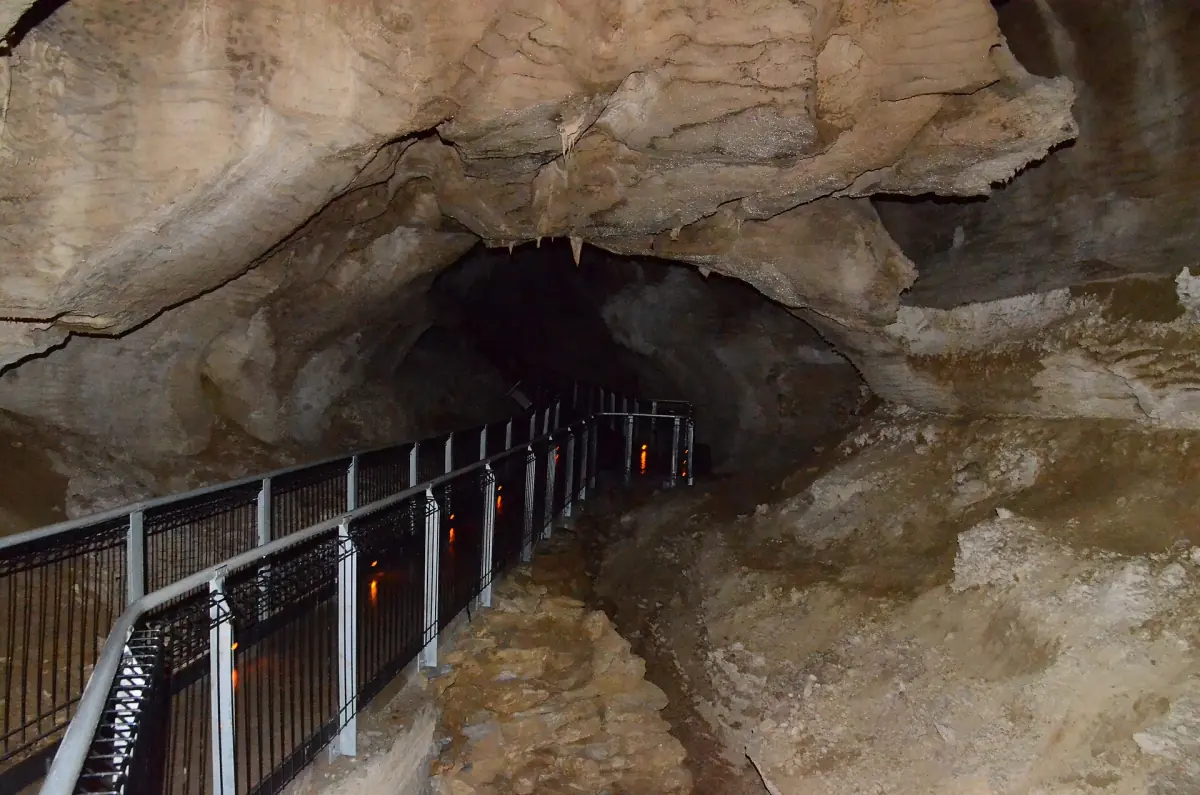
This small-group nature-cave visit includes guiding and equipment, with your own travel to Oparure Road. Its focus is the cave environment.
Administration, return and participation in management
In the operator's historical account, state administration began in 1906, followed by the return of land and cave to descendants in 1989. These are landmarks in the story of visiting and managing the Glowworm Cave. They give context to the continuing relationship between the cave, descendants and public conservation responsibilities.
A DOC concession application provides a further administrative perspective. Its 2026 consultation material describes joint control by the Ruapuha Uekaha Hapū Trust and DOC within the Wai 51 settlement framework, and the trust's involvement in the management committee since June 1990. The application sought a new 60-year term, with submissions closing on 7 July 2026. That proposed term is a request within an application, rather than an announcement of an awarded concession.
For visitors, the useful connection is between the historical return and continuing participation in management. The chronology concerns people and responsibilities as well as the development of an attraction. Read it alongside practical ticket and visit information when deciding how to experience the cave.
The hapū connection and the landscape
The cave operator describes the caves as taonga of the Ruapuha Uekaha Hapū and says that some guides are descendants of Tāne Tinorau. This is a specific statement about the relationship described by that source. Keep the individual people, hapū and site in view when considering the cultural history of Waitomo.
Elsewhere in the Waitomo area, DOC associates the construction and use of Opapaka pā with Ngāti Hia in the late eighteenth century. That is a distinct historic place, separate from a cave tour. The nature-cave activity linked on this page centres on underground exploration with a local guide; it is not presented as a specialist cultural itinerary or a visit to the pā.
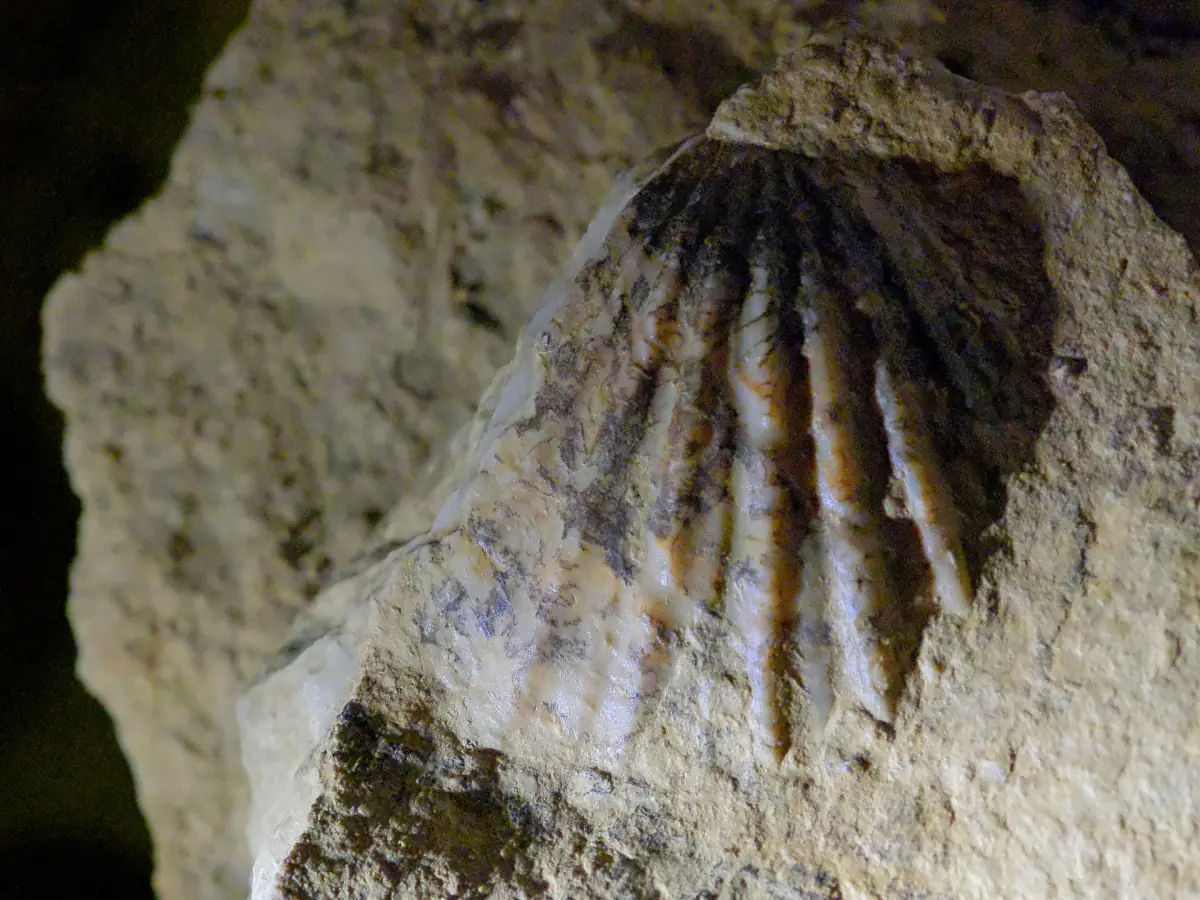
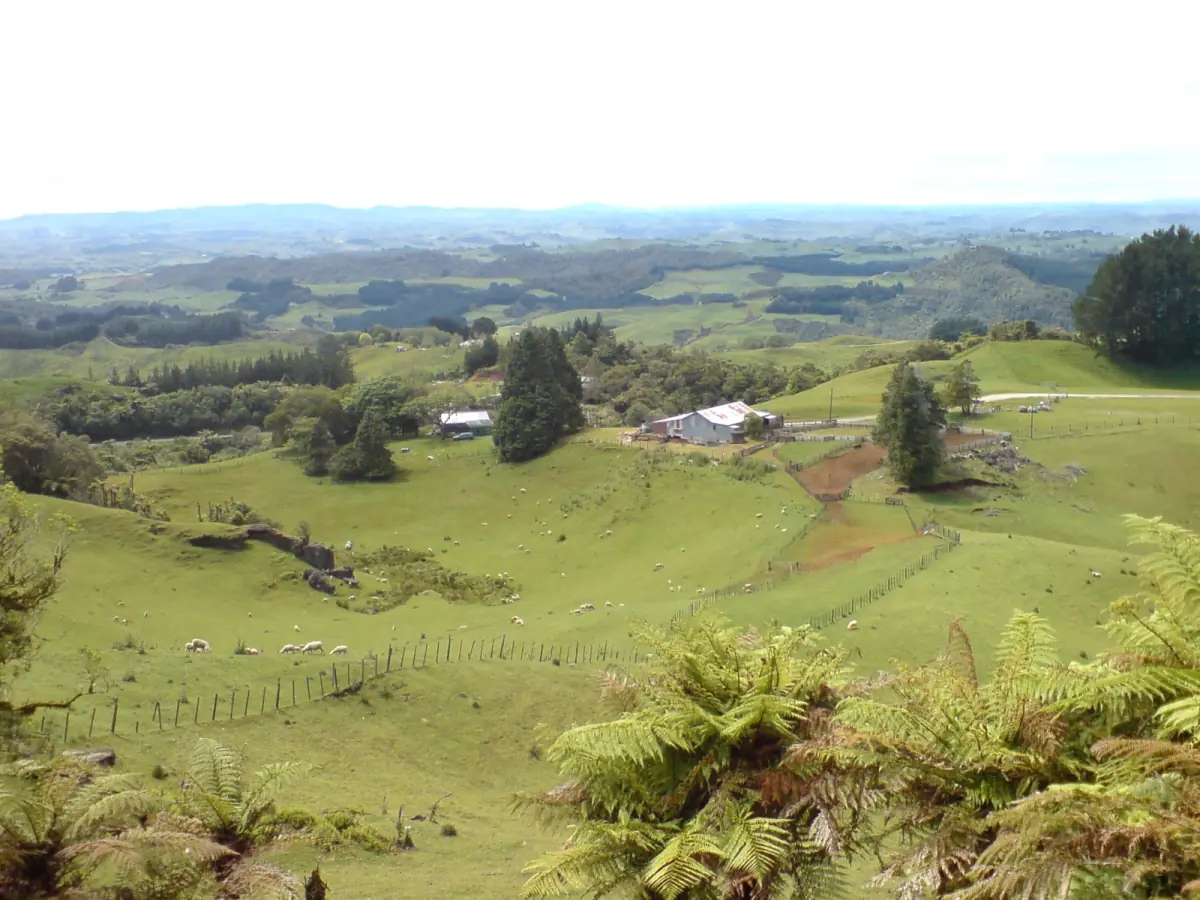
The fossil illustrated here offers another way to look closely at the landscape. Te Ara's 2009 limestone account explains the rock through consolidated remains of marine organisms and later uplift, and identifies Waitomo as a karst area. DOC describes local landforms including hollows, limestone surfaces, arches, tunnels and caves. Those forms help connect the countryside above ground with the spaces visited below it.
Carry that context into a careful cave visit
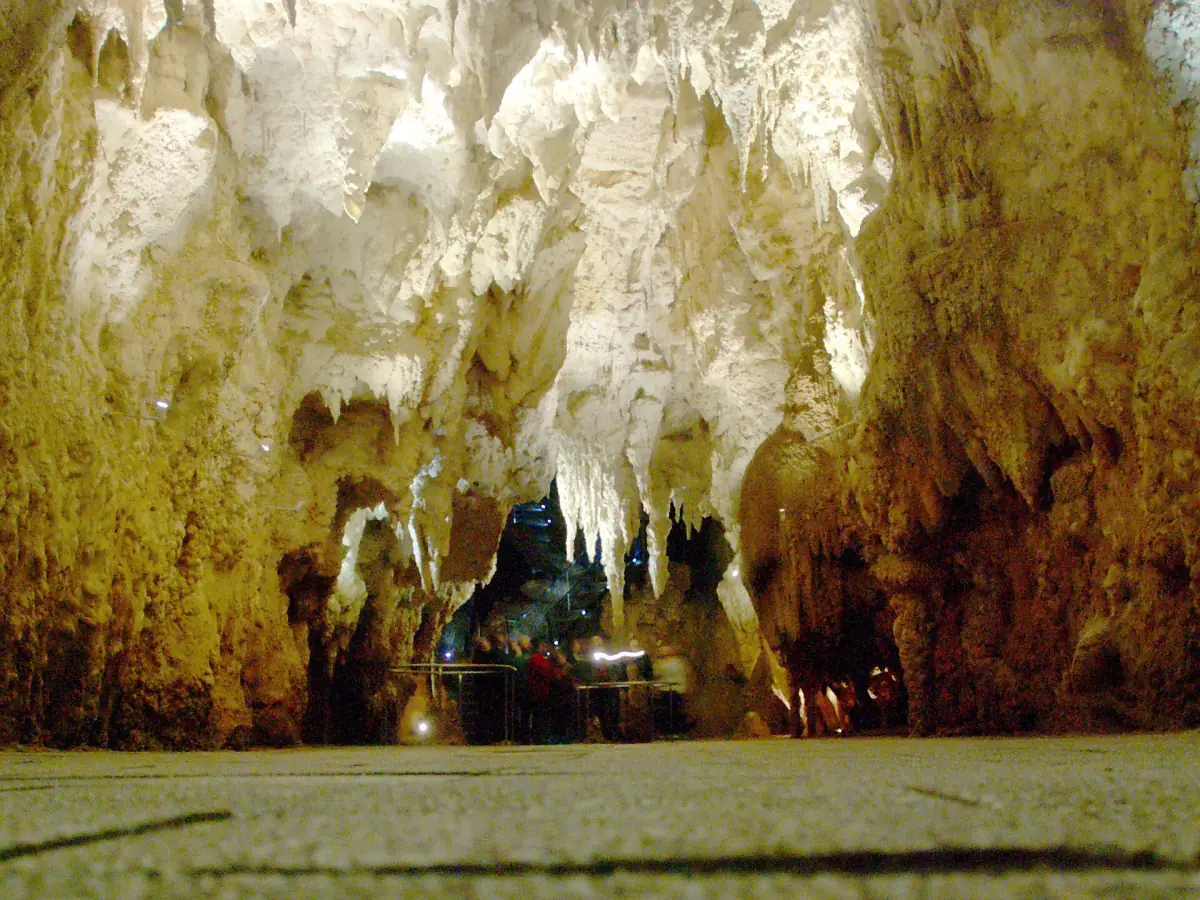
The living cave environment adds another layer to the history. Te Ara's 2009 glowworm account describes the luminous animals as larvae of the fungus gnat Arachnocampa luminosa, using light and sticky threads to catch prey. They are part of the habitat you enter, alongside limestone formations that can discolour or break when touched. Leave formations untouched and follow the guide's instructions.
Photography rules depend on the cave and activity. Inside the Glowworm Caves, photography and video are prohibited; Ruakuri allows photographs only in selected areas. Use the rules for the specific visit rather than treating camera access as permission to leave the route or handle formations. Food, drink, smoking and litter are prohibited in the operator's caves.
The nature-cave activity on this page includes an experienced local guide, equipment including clothing and boots, shower facilities, hot drinks and a snack. Minimum age 12. Guests under 16 must be accompanied by a parent or guardian. Maximum weight 120 kg. Travel to the starting point is your responsibility. Compare the different cave tours if you prefer a show-cave visit or another type of guided experience.

Questions about Waitomo's past
Who explored the Glowworm Cave in 1887?
The operator's chronicle names Tāne Tinorau and Fred Mace as joint explorers and states that the cave was already known to local Māori.
When were guests first welcomed?
The same account says Tāne Tinorau had opened the cave to visitors by 1889, with Tāne Tinorau and Huti guiding guests.
How does the history connect to management today?
The operator records the return of land and cave to descendants in 1989. DOC's 2026 concession application describes trust participation in the management committee since June 1990.